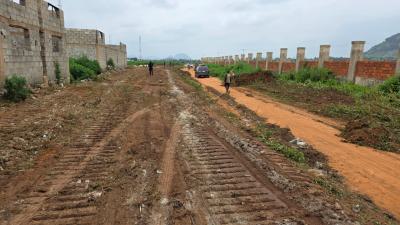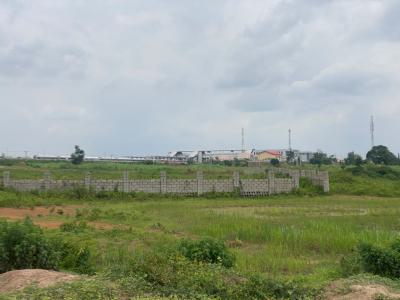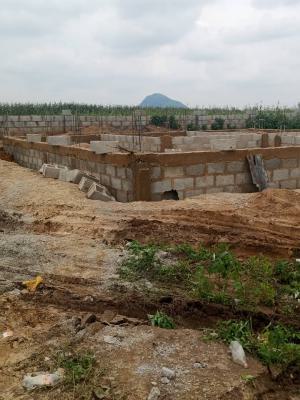

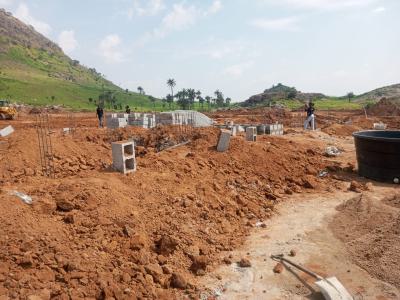
Hectares of land for sale after idu train station
price 250m (per hectare)
brokers fee 5%
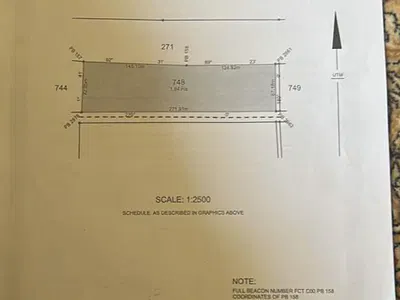
title document: amac regularized
document is handy
procedures:
1. inspect the land using the google pin https://maps.app.goo.gl/zstn16djncosntya6
2. buyer to write letter of intent (loi) acknowledging the agreed purchase price.
3. buyer to provide proof of funds (pof).
4. a meeting will be scheduled between the buyer and seller for inspection and verification of the property documents.
5. proceed with necessary searches and due diligence on the property.
6. upon successful verification, payment will be made and the transaction conclud...
Idu after railway station opposite the army estate (200 mitres from the army estate)
size: 5ha
purpose: multi function
tittle: amac rofo
land is fenced round. price: 380m slightly negotiable direct de...
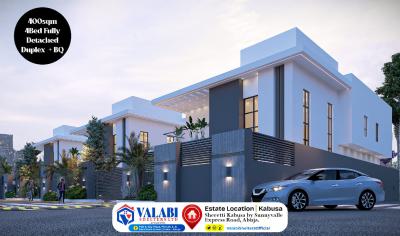
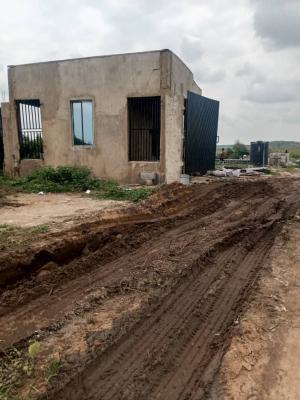
700sqm land for sale -- ideal for fully detached duplex with bq in an estate
location: within an estate in idu
price: ₦27.5 million net (includes infrastructure)
road access: partially untarred r...
About 8 hectares of industrial land approximately 79,930sqm directly opposite naseni is available for sale;
location: idu industrial layout
price: 5.6b (asking)
title: fcda c of o
use: industrial land
5% fee applied
video is available for view...
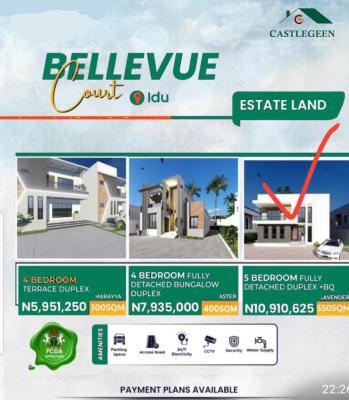
New property alerts (estate lands)
400sm -12m
350sm -9m
250sm - 6m
idu by railway station
features
accessible road network
stable electricity
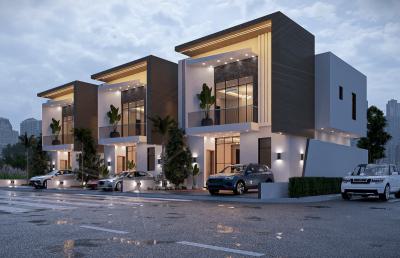
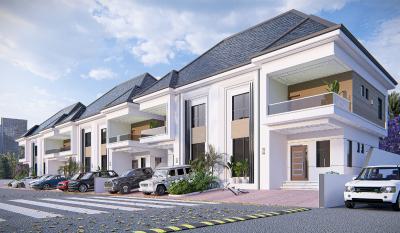
estate prototype of building
water drainage
stable water supply
stable security
don't miss out on this opportunity to become a landlord in the city of abuja
you can buy to live or inv...
Abuja is the capital city of Nigeria. It is located in the centre of Nigeria, within the Federal Capital Territory (FCT). Abuja is a planned city, and was built mainly in the 1980s. It officially became Nigeria's capital on 12 December 1991, replacing Lagos, which is still the country's most populous city. At the 2006 census, the city of Abuja had a population of 776,298, making it one of the top ten most populous cities in Nigeria. The unofficial metropolitan area of Abuja is well over three million, which would make it the fourth largest urban area in Nigeria only surpassed by Lagos, Kano and Ibadan.