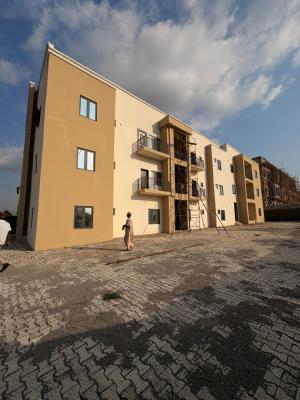

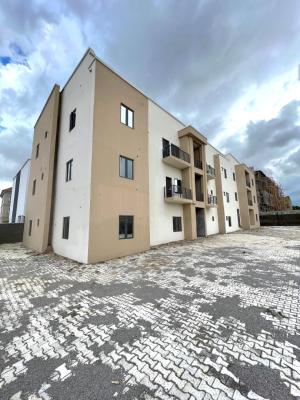
The average price of 2 bedroom flats for sale in Gaduwa, Abuja is ₦75,000,000. The prices vary by location, size and features and range from ₦45,000,000 to ₦100,000,000. There are 3 available 2 bedroom flats for sale in Gaduwa, Abuja, Nigeria. The flats have been listed by estate agents who can be contacted using the contact information provided for each flat / apartment listing. The list can be filtered by price, furnishing and recency.
For sale: brand new 2 bed apartment
modern - spacious - to be delivered finished
features:
all rooms en-suite
fitted kitchen
guest toilet
spacious bedrooms
family lounge
balcony
ample parking space
serene and secure environment
massive gated compound
price:
2 bed apartment - 100m (to be delivered finished)
location: gaduwa, abuja
secure this property today.
inspection available on request.
price stated is exclusive of closing costs
let's talk: 07038084553 08158488...
For sale: elegant 2-bedroom apartment in a mini estate, gaduwa district, abuja.
experience comfort, accessibility, and class in a serene environment.
₦100m (finished)
₦70m (semi-finished)
fully tarred access road secure estate modern design
inspection by appointment only with a serious buyers. (book 5 hours ahead)
(logistics fee applies)
pictures loading
#oud...
Gaduwa abuja
for sale!
newly built 2 bedroom block of flats is available for sale at gadwwa main.
just 3 units available now!
price:₦80m.
whatsapp:07081080769
whatsapp/whatsapp calls only:09046679796
voice calls only:07017508248.
hello!
i am divineglo properties.
your best direct plug available for houses or lands for sale or rent in any part of abuja.
we take you on a tour till you (or your client) get what you want!
any inspection fee paid is refundable after payment for any rent...
The average price of 2 bedroom flats for sale in Gaduwa, Abuja is ₦75,000,000. The prices vary by location, size and features and range from ₦45,000,000 to ₦100,000,000.
Find out more
About Abuja, Nigeria
Abuja is the capital city of Nigeria. It is located in the centre of Nigeria, within the Federal Capital Territory (FCT). Abuja is a planned city, and was built mainly in the 1980s. It officially became Nigeria's capital on 12 December 1991, replacing Lagos, which is still the country's most populous city. At the 2006 census, the city of Abuja had a population of 776,298, making it one of the top ten most populous cities in Nigeria. The unofficial metropolitan area of Abuja is well over three million, which would make it the fourth largest urban area in Nigeria only surpassed by Lagos, Kano and Ibadan.