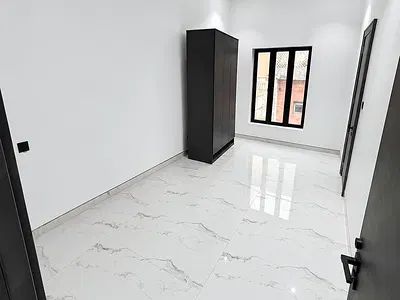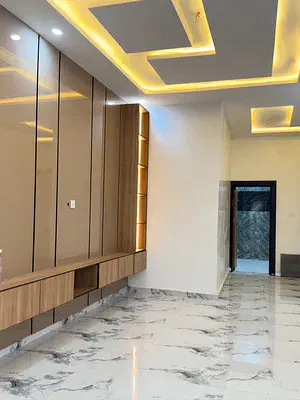
The average price of furnished mini flats for rent in Jahi, Abuja is ₦3,800,000 per annum. The prices vary by location, size and features and range from ₦2,500,000 to ₦8,000,000 per annum. There are 6 available furnished mini flats for rent in Jahi, Abuja, Nigeria. The mini flats have been listed by estate agents who can be contacted using the contact information provided for each mini flat (room and parlour) listing. The list can be filtered by price, furnishing and recency.
Newly built one (1) bedrooms apartment on ground and second floor
features:-
* all room ensuite.
* standard finished modern kitchen
* fitted gas cooker
* microwave
* tarred road
* dinning area
* guest convenience
* serene neighborhood
* bore hole water supply
* store
* ample parking space
* etc.
location: jahi by gilmor
rent: n6 million (payable 2 years)
refundable caution deposit: 1m
service charge: 516k
agency & legal: ...
1 bedroom flat for rent in jahi.
features:
central generator
spacious rooms
kitchen cabinets
modern wardrobes
water heater
rent: 3.5m
service charge: 500,000
caution: 300,000
diesel deposit: 500,000
a/l: ...
*"for - rent"*
newly built one (1) bedrooms apartment on ground and second floor
features:-
* all room ensuite.
* standard finished modern kitchen
* fitted gas cooker
* microwave
* tarred road
* dinning area
* guest convenience
* serene neighborhood
* bore hole water supply
* store
* ample parking space
* etc.
location: jahi by gilmor
rent: n6 million (payable 2 years)
refundable caution deposit: 1m
service charge: 516k
agency & legal: 20%
dm for more pictures and inspect...
₦4,000,000 per annum
Abode Landmark Network Limited
08059035793
Share this
The average price of furnished mini flats for rent in Jahi, Abuja is ₦3,800,000 per annum. The prices vary by location, size and features and range from ₦2,500,000 to ₦8,000,000 per annum.
Find out more
About Abuja, Nigeria
Abuja is the capital city of Nigeria. It is located in the centre of Nigeria, within the Federal Capital Territory (FCT). Abuja is a planned city, and was built mainly in the 1980s. It officially became Nigeria's capital on 12 December 1991, replacing Lagos, which is still the country's most populous city. At the 2006 census, the city of Abuja had a population of 776,298, making it one of the top ten most populous cities in Nigeria. The unofficial metropolitan area of Abuja is well over three million, which would make it the fourth largest urban area in Nigeria only surpassed by Lagos, Kano and Ibadan.