Detached Bungalows for Sale in Mbora (Nbora), Abuja
The average price of detached bungalows for sale in Mbora (Nbora), Abuja is ₦165,000,000. The prices vary by location, size and features and range from ₦150,000,000 to ₦350,000,000. There are 4 available detached bungalows for sale in Mbora (Nbora), Abuja, Nigeria. The detached bungalows have been listed by estate agents who can be contacted using the contact information provided for each detached bungalow listing. The list can be filtered by price, furnishing and recency.
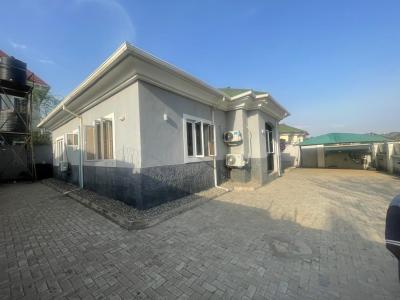
3 bedroom detached bungalow with all rooms ensuite.
video available.
n165m.. slightly negotiable.
agency fee 5%.
sil estate is tarred inside and out, has close proximity to nizamiye hospit...
*standard bungalow for sale*
*a 3 bedroom bungalow with 2 units of selfcom in a standalone compound is available for sale*
*location inside an estate behind ctech estate mbora*
*key features*
- secured estate
- well gated and fence house
- has a spacious compound
- has a store at the bq
- a modern design bungalow
- one month notice to leave after payment
- well secured estate
- tarred access road in and out of the estate
- spacious rooms
- modern cabinet fittings
- all rooms are ensuit
*price 150m*
*5% facilitators fee appli...
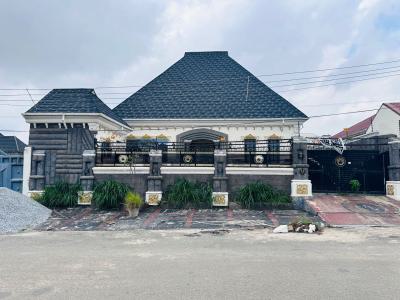
Tastefully finished 4bedroom detached bungalow with bq in a serene and secured estate in nbora district.
key features:
* a room boys quarter
* swimming pool
* car port
* gate house
* spacious living room
* dining area
* fitted kitchen with store
* private compound
* jacuzzi
* inbuilt bar
* all rooms ensuite
* secured environment etc.
for more details or inspection please contact us.
agency fee is...
The average price of detached bungalows for sale in Mbora (Nbora), Abuja is ₦165,000,000. The prices vary by location, size and features and range from ₦150,000,000 to ₦350,000,000.
Find out more
About Abuja, Nigeria
Abuja is the capital city of Nigeria. It is located in the centre of Nigeria, within the Federal Capital Territory (FCT). Abuja is a planned city, and was built mainly in the 1980s. It officially became Nigeria's capital on 12 December 1991, replacing Lagos, which is still the country's most populous city. At the 2006 census, the city of Abuja had a population of 776,298, making it one of the top ten most populous cities in Nigeria. The unofficial metropolitan area of Abuja is well over three million, which would make it the fourth largest urban area in Nigeria only surpassed by Lagos, Kano and Ibadan.