The average price of flats for rent in Mbora (Nbora), Abuja is ₦3,500,000 per annum. The prices vary by location, size and features and range from ₦3,000,000 to ₦8,000,000 per annum. There are 6 available flats for rent in Mbora (Nbora), Abuja, Nigeria. The flats have been listed by estate agents who can be contacted using the contact information provided for each flat / apartment listing. The list can be filtered by price, furnishing and recency.
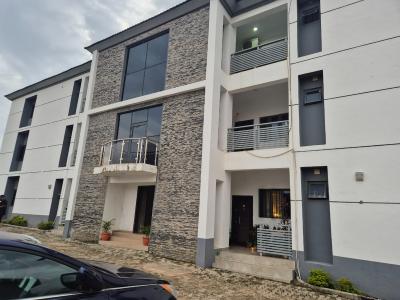
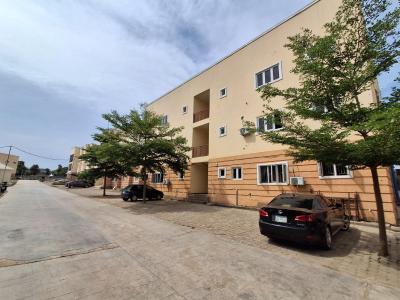
Newly developed 3-bedrooms block of flats situated within mbora district estate few minutes away from lifecamp junction.
the estate providers maximum security, good location. nice infrastructure.
rent. 7,000,000
s/c. 350,000
rcd. 250,000
a/l. ...
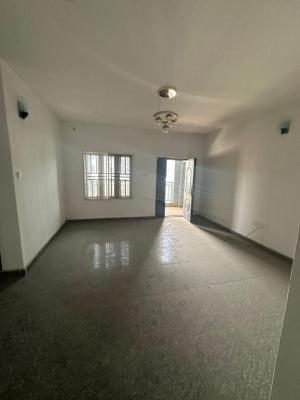
Brand new well finished six units of very nice and spacious 2 bedroom flat available for rent
location- mbora district
rent:3.5m
caution deposit:350k
service charge:350k
agency and legal:...
*tolet*
*brand new and well finished six units of two bedroom flat available for rent*
*location- mbora district, abuja*
price- 3,500,000
caution deposit - 350,000
service charge - tbd
agency and legal fees- 20%
inspection fee 12k
*nb*- *the road is untarred but motorabl...
Video:
https://youtube.com/shorts/thilyagr0qa?si=spribapca4kt2nfm
newly built 2 bedroom apartment for rent
located in an estate
location : idu (before ochacho estate)
annual rent: 5m
caution fee: 500k
service charge: tbd
a&l: 20%
total package: 6.5m (11.5m 2 years)
note
* just two tenants in the compound
* located in an estate
* completely tarred.
inspection fee: 15k
**l...
₦8,000,000 per annum
Caleb Gaadi Consulting
07035954626
Share this
The average price of flats for rent in Mbora (Nbora), Abuja is ₦3,500,000 per annum. The prices vary by location, size and features and range from ₦3,000,000 to ₦8,000,000 per annum.
Find out more
About Abuja, Nigeria
Abuja is the capital city of Nigeria. It is located in the centre of Nigeria, within the Federal Capital Territory (FCT). Abuja is a planned city, and was built mainly in the 1980s. It officially became Nigeria's capital on 12 December 1991, replacing Lagos, which is still the country's most populous city. At the 2006 census, the city of Abuja had a population of 776,298, making it one of the top ten most populous cities in Nigeria. The unofficial metropolitan area of Abuja is well over three million, which would make it the fourth largest urban area in Nigeria only surpassed by Lagos, Kano and Ibadan.